


Greenville, South Carolina, is not what most people expect. Within a single mile, you can find a hundred-year-old mill house, a brand new subdivision, and a custom home well over a million dollars. If you are moving here from another state or another part of the country, there is a good chance you will run into a few things that catch you off guard.
Here is what you need to know before you start your search.
Watch the Full Video Here:
1. The City Name Tells You Less Than You Think
In many parts of the country, a city name gives you a pretty clear picture of what to expect in terms of price, lifestyle, and community feel. That is not always the case in the Upstate.
Take Greer as an example. In Greer, you could find a suburban home in one of the top school districts in the area for under $350,000. You could also find a luxury property in a premier neighborhood, a home on several acres with horses, a property on the lake, or a home within walking distance of downtown restaurants, breweries, and events. That is all within the same city.
Here, the specific location within a city often matters more than the city name itself. That is why the team usually encourages buyers to think about the lifestyle they want first and the city second.
If you are thinking about moving to Greenville, SC, get our free relocation guide.
2. What Is Underneath the Home May Be Different Than What You Expect
Depending on where you are coming from, you may be used to homes that are mostly on basements, or you may have rarely seen a basement at all.
In the Upstate, all three foundation types are common.
- A slab foundation means the home sits directly on a concrete slab.
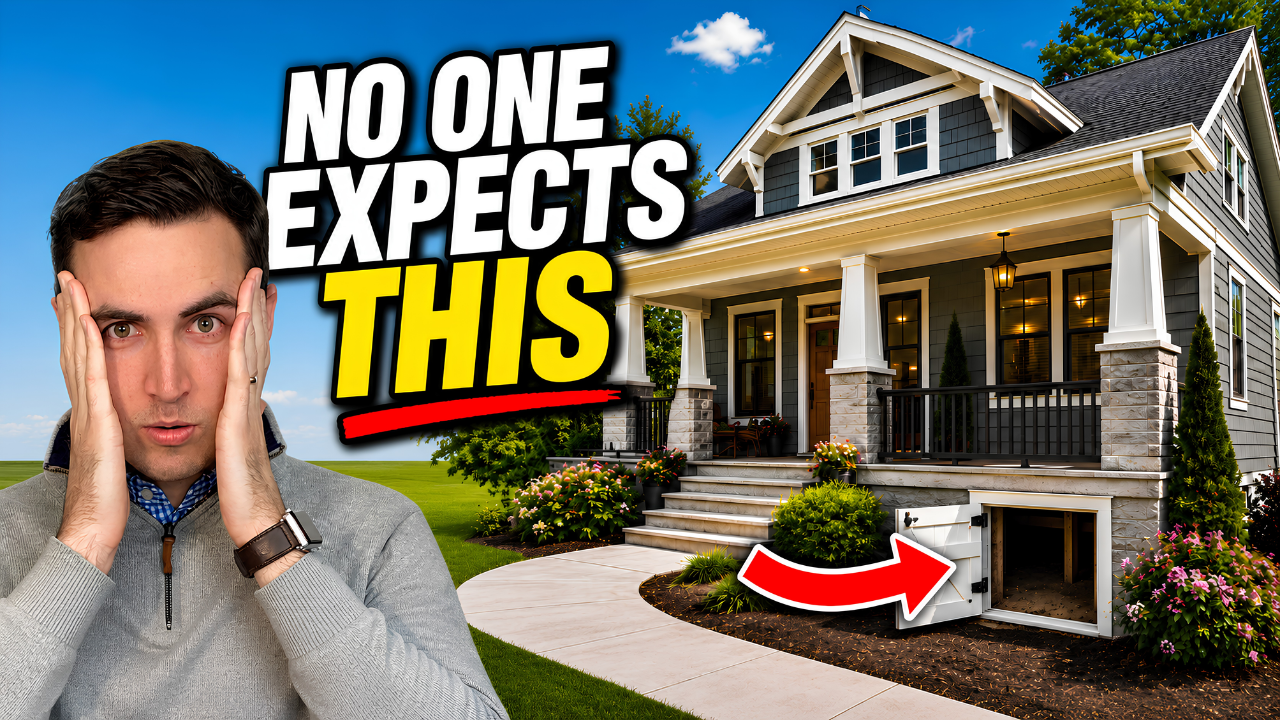
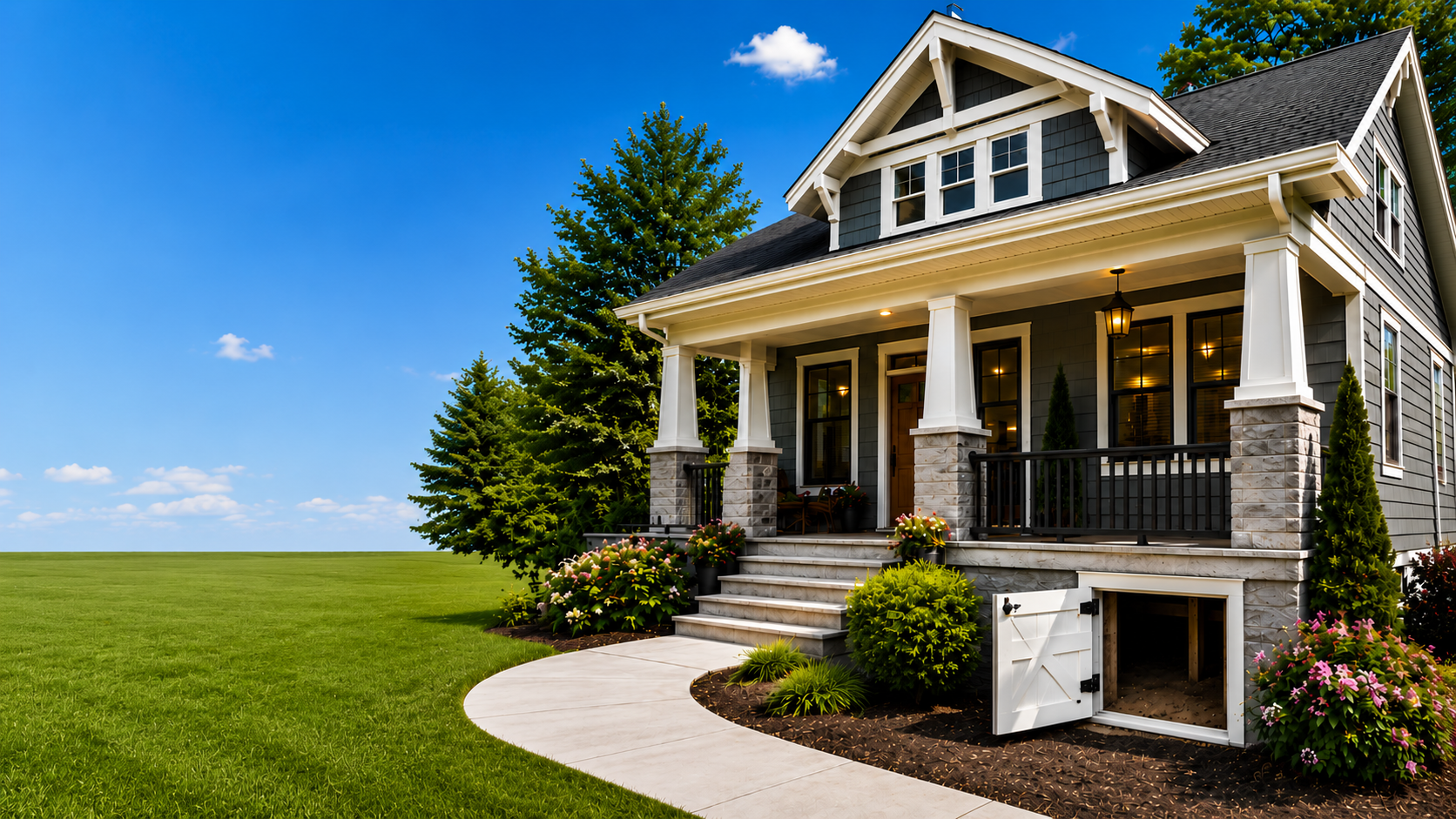
- A crawl space elevates the home slightly off the ground, creating a small area underneath that provides access to plumbing and other systems.
- Basements do exist here, and when they do, they are usually walkout basements because many homes are built on sloped lots.
The reason you see all three is that the Upstate has a wide variety of terrain. Some areas are relatively flat, while others have rolling hills and significant elevation changes. It is not unusual to find all three foundation types within the same neighborhood.
3. There Is No Such Thing as a Typical Greenville Home
Some people come to Greenville with a clear picture of what a Southern home looks like: big front porch, rocking chairs, traditional design.
While you will certainly find homes like that, the variety here goes much further. The most common styles are traditional, craftsman, and ranch. But you will also find historic mill houses more than 100 years old, contemporary designs, Charleston-style homes, log homes, mountain-style retreats, and beautifully restored historic properties.
Part of the reason for that variety is history. The area grew around the textile industry, which left behind mill villages and mill houses throughout the city. But Greenville has also become a major relocation destination, drawing people from across the country and around the world. That mix of backgrounds has influenced the styles and preferences you see throughout the Upstate.
More recently, contemporary designs and modern farmhouse styles have become popular as builders develop new communities and investors renovate older properties. For buyers, that variety means more options.
4. HOA Communities Are More Common, and Less Scary, Than People Expect
When some buyers hear "HOA," they picture someone showing up with a tape measure to check if the grass is too tall. Others picture massive master-planned communities with thousands of homes and sky-high fees.
For the most part, that is not how HOAs work in the Upstate.
Most HOA fees here fall between $300 and $900 per year, though there are exceptions. Depending on the size of the neighborhood, the HOA might maintain common areas and entrances, or it might provide pools, swim teams, clubhouses, playgrounds, pickleball courts, golf course access, walking trails, and community events throughout the year.
Most neighborhoods in the Upstate have around 150 to 300 homes, which means the scale is manageable and the community feel is genuine. HOAs here are often far more common and far less intimidating than many buyers expect.
Looking for homes in neighborhoods that match your lifestyle? Check our Neighborhood Directory to search current listings across the Upstate.
5. Neighborhoods Here Are Designed Differently
One thing buyers tend to notice fairly quickly is that Upstate neighborhoods often have much less traffic than they are used to.
Many neighborhoods are designed with a single primary entrance and exit. They do not serve as a pass-through to shopping centers, other neighborhoods, or major destinations. Most of the traffic you see on a residential street is made up of people who actually live there.
Sidewalks are less common in many Upstate neighborhoods than in other parts of the country. Depending on the area, you may also encounter rolling hills and elevation changes on your walks. Many buyers enjoy walking within their neighborhood, but the experience can feel a little different from what they are used to.
This is one of the reasons downtown Greenville and Travelers Rest have become so popular among buyers seeking a more walkable lifestyle. It is also one of the reasons the Swamp Rabbit Trail has become such a major asset for the area. For longer walks, runs, and bike rides, many residents take advantage of the Swamp Rabbit Trail, Paris Mountain, and a growing network of parks and trails throughout the region.
6. Property Taxes Will Likely Surprise You in a Good Way
One of the most common mistakes relocation buyers make is assuming property taxes in the Upstate work the same way they do back home.
South Carolina has some of the lowest property taxes in the country when the home is used as a primary residence. That tends to come as a very pleasant surprise for buyers moving from states with high property tax burdens.
One thing worth knowing as you browse listings online: if you see a home where the taxes look dramatically higher than everything else you have been looking at, do not immediately assume the home has unusually high taxes. In many cases, the property is being taxed as a non-owner-occupied property or second home, which is assessed at a much higher rate in South Carolina. That can result in tax bills roughly three times higher than what an owner-occupant would pay.
It is also worth noting that some tax districts in the Upstate include services like trash collection and sewage in their tax bills, while others do not. That can make two tax bills look very different at first glance, but when you do an apples-to-apples comparison, they are often much closer than they initially appear.
7. More Than a Third of the Homes for Sale Are New Construction
This one surprises many buyers. At the time this video was filmed, more than 37 percent of the homes for sale in the Upstate were new construction. That is a much larger share than most buyers expect when they first start their search.
Much of that new construction is concentrated in a few key areas. Near Conestee Park, west of Greenville heading toward Easley and Powdersville, stretching toward Spartanburg County, and in the southern portion of Simpsonville, extending out toward Fountain Inn. The reason is fairly simple. That is where builders could find land at price points that made sense for the homes they wanted to build.
A handful of builders account for a large percentage of that new construction in the Upstate. Names like D.R. Horton, LAR, Meritage, Eastwood, and Ryan Homes account for a significant share of the market, alongside several others.
One thing that has really surprised buyers recently is how much negotiating room there is on new construction right now. Depending on the builder, the community, and inventory levels, buyers are seeing real opportunities to negotiate on price, closing costs, interest rate incentives, and upgrade packages. That is a shift from just a few years ago, when that kind of leverage did not exist.
8. Homes Here Are Often Built Differently Than What You Are Used To
If you are moving from another part of the country, you may notice some differences in how homes are built and finished in the Upstate.
On the exterior, older resale homes often have vinyl siding, which was a popular option here for many years. Newer construction has shifted heavily toward fiber-cement siding, which is known by the brand name Hardie Board. You will also see brick, stone, and some stucco throughout the market.
One thing that surprises buyers coming from Florida, Arizona, or parts of Texas is how uncommon pools are here. You can certainly find homes with pools, but they are less common than many people expect.
Inside, LVP flooring has become very popular in recent years. Hardwood still holds a strong and desirable place in the market, especially at higher price points. Tile tends to be concentrated in bathrooms and laundry rooms. You will rarely see it in kitchens or main living areas.
Because of the climate, outdoor living spaces are a big deal in the Upstate. Screened porches, covered patios, outdoor fireplaces, and even outdoor kitchens are common throughout the market and are considered real features by most buyers here.
9. The 30-Minute Rule Changes How You Think About Location
One of the most common things Evan and his team hear from people moving to the Upstate is that they want to live about 30 minutes from downtown Greenville.
What is interesting is that many buyers do not realize that is what they are looking for until they start the process. Instead, they describe what they want in their daily life. They want to be close to a grocery store, a Target, restaurants, parks, a gym, a church, and the other places they visit regularly throughout the week. What they eventually discover is that those preferences naturally push them into roughly the same 30-minute radius around downtown Greenville.
Most of the shopping, healthcare, entertainment, employers, parks, and everyday conveniences are located within that radius. People in the Upstate also tend to build their lives around shorter drives. Friends, family, church, gym, youth sports, and favorite restaurants are all located much closer together than most people are used to, especially those coming from large metro areas or parts of the Northeast where zoning rules spread things out considerably.
One thing that also surprises buyers is that moving significantly farther from Greenville often does not yield the same dramatic cost savings they might expect in larger metro markets. Because housing is already relatively affordable compared to many parts of the country, the financial trade-off of living further out is often smaller than people expect. Most buyers who choose to live beyond that 30-minute range do so for lifestyle reasons, not financial ones. They want more acreage, lower population density, privacy, mountain views, or a more rural setting.
Understanding the 30-minute rule early in your search is one of the most useful things you can do. It helps you decide where to focus your home search much more clearly.
Bonus: Three More Things Worth Knowing
If you made it this far, here are three additional surprises that are worth understanding before you buy in the Upstate.
Wood-Destroying Insects Are Common in the Southeast
Most people have heard of termites, but if you are new to the Upstate, you will also hear about powderpost beetles and carpenter bees. Termites feed on wood and can cause significant damage if left untreated. Powderpost beetles can damage certain types of wood over time. Carpenter bees do not eat wood, but they bore into it and create nesting areas.
Seeing termite bonds and wood-destroying organism inspections listed everywhere can catch buyers off guard. The reality is that these are simply things that are monitored in the Southeast. Most homeowners have either a termite bond or some form of preventative treatment in place. Seeing a termite bond on a home is not a red flag. It is often a sign that the owner has been proactive about protecting the property.
Moisture Management Matters Here
Because of the Upstate's climate, moisture is something inspectors pay close attention to during a home inspection. Grading, drainage, gutters, crawl space conditions, and water management around the home are all important areas of review. That does not mean homes have moisture problems. It simply means it is something buyers should understand and pay attention to during the inspection process.
Radon Testing Is Common in the Upstate
Radon is a naturally occurring radioactive gas that comes from the breakdown of elements in the soil and rock beneath a home. It cannot be seen, smelled, or tasted, which is why testing is the only way to know whether levels are elevated.
Parts of the Upstate have higher radon levels than many buyers expect. It is common for buyers to include a radon test as part of their home inspection. If elevated levels are found, mitigation systems are widely available and are often very effective at reducing them.
None of these three issues is unique to any one home. They are simply part of home ownership in the Southeast, and understanding them ahead of time makes the whole process feel a lot less intimidating.
Thinking about making Greenville home? Our team at The Whaley Group has helped hundreds of people navigate exactly these kinds of surprises. Reach out today and let us help you find the right home in the right neighborhood for your lifestyle.